Beyond the Numbers: A Data-Driven Analysis of the FOOD COE Project in the ICP Ecosystem
Introduction: Why Small Data Matters
The COE Project, with its ambitious goal of linking traditional businesses with the decentralized economy, launched its first pilot project, FOOD COE, on the ICP blockchain. This initiative served as a crucial case study to validate the COE model and gather real-world data.1 While the raw data may seem small at first glance, a deep analysis of it provides valuable insights into the real challenges and opportunities of integrating Web3 with traditional businesses in low-traffic environments. This article analyzes the operational data of FOOD COE and contextualizes it with local and global market statistics to shed light on the true potential of this model for the ICP community.
1. FOOD COE Operational Performance: Sales Data Analysis
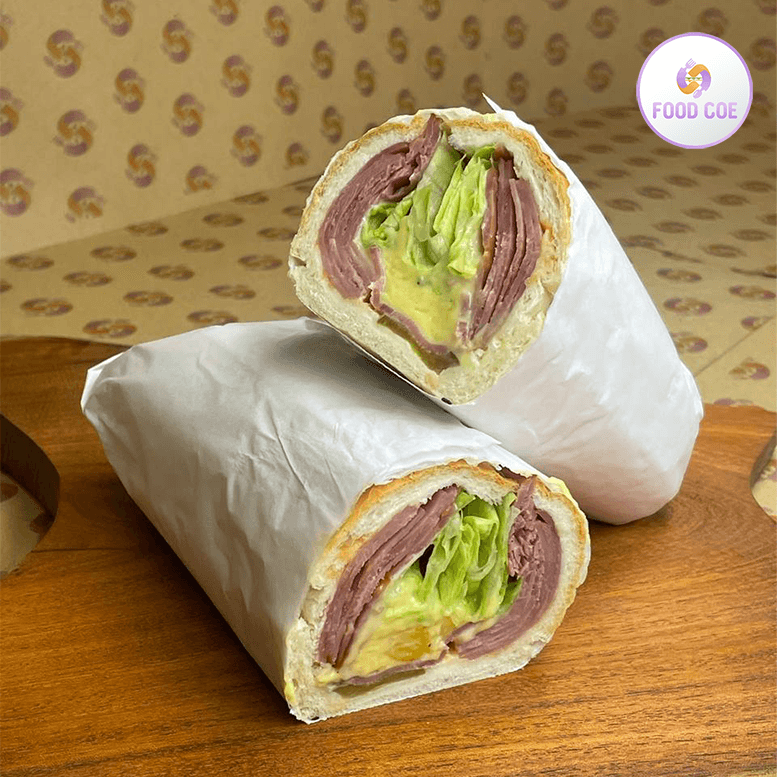
The FOOD COE project began its operations in a low-traffic location and with only six types of cold sandwiches. These conditions presented a tough test for the business model, where sales were driven solely by content marketing on Instagram.
| Month of Operation | Working Days | Sandwiches Sold | Average Daily Sales |
|---|---|---|---|
| First Month | 26 | 79 | 2.92 |
| Second Month | 21 | 60 | 2.72 |
| Third Month | 22 | 62 | 2.81 |
| Total | 69 | 199 | 2.88 |
Analysis:
The average daily sales of approximately 2.88 sandwiches, despite the poor physical location, indicates a steady flow of customers likely attracted by the Instagram content. This finding confirms the power of digital marketing in overcoming the challenges of an unfavorable physical location. In a study in Iran, guerrilla marketing was identified as an effective method for increasing brand awareness for small and medium-sized enterprises (SMEs).2 FOOD COE’s strategy of using local influencers or engaging content aligns with these findings.
2. Success in Customer Acquisition: Key Conversion Rates
One of the main objectives of FOOD COE was to collect valuable customer data and convert them into members of a loyalty club. The provided data shows strong performance in this area:
- Sales-to-Contact Number Conversion Rate: Out of 199 sales, 180 contact numbers were saved, showing a conversion rate of approximately 90.45%.
- Sales-to-Club Membership (NFT Claim) Conversion Rate: Out of 199 sales, 52 NFTs were claimed by customers, resulting in a conversion rate of 26.2%.
- Contact Number-to-Club Membership (NFT Claim) Conversion Rate: Out of 180 saved contact numbers, 52 memberships were completed, showing a conversion rate of 29%.
Comparison and Analysis:
These statistics are remarkably strong and demonstrate that customers were willing not only to make a purchase but also to participate in an innovative scheme.
- The Importance of High Conversion Rates: A 26.2% conversion rate for attracting loyalty club members is very significant, especially given the new and unfamiliar nature of NFTs for the general public. This suggests that the “get a gift from the world of cryptocurrencies” offer was appealing enough to drive customer sign-ups.3 In the industry, the average overall conversion rate is around 2.9%.4 While a direct comparison of sales-to-loyalty club membership conversion rates across industries is difficult, FOOD COE’s success in capturing 90.45% of contact numbers and then converting 29% of those into club members indicates a strong competitive advantage.
- Customer Loyalty: In traditional loyalty programs, just a 5% increase in customer retention can lead to a 25-95% increase in profit.5 Projects like Starbucks Odyssey and Cinemark have used NFTs to create loyalty programs that give customers true ownership of rewards and access to exclusive experiences.6 The FOOD COE data proves that this model can also be applied to small businesses and attract customers because of its “creative scheme.”
3. Lessons Learned and Strategy Update
The operational data from FOOD COE provided critical insights for optimizing the COE model in the future.
- The Importance of Content Marketing: Given the poor location and the nearly constant daily sales, it became clear that content marketing and the use of social media served as a primary channel for customer acquisition.
- The Impact of Product Variety: The limited product variety (only six types of cold sandwiches) was a limiting factor in attracting customers. Research has noted that product variety and quality are key factors in the success of small food businesses.8 Future COE projects should focus on collaborating with businesses that have greater product variety to maximize growth potential.
- Optimizing Customer Club Rewards: Recognizing that “early customers purchased because of the creative scheme,” COE changed its reward plan. In the new update, customers will receive more NFTs for each additional invoice they present within a month, and will ultimately receive a larger reward. This change creates a multi-layered approach to customer loyalty:
- Encouraging More Purchases: Unlike the previous plan that gave the same reward to everyone, this new scheme offers more rewards for more purchases, providing greater financial benefits to more loyal customers.
- Creating Competition: This plan can create competition among customers to earn more rewards, leading to increased engagement and purchases. This idea aligns with modern approaches to loyalty programs, including “gamification” (Gamification), too.9
- Increasing Loyalty Rates: By providing a clear path to earning increasing rewards, this new model can significantly boost customer retention rates.
4. Conclusion: Proven Potential
The data from the FOOD COE pilot project, even with its operational limitations, clearly demonstrates the unique value proposition of the COE model. This project proved that:
- Web3 can be a powerful marketing tool: Using NFTs and tokens as loyalty tools allowed a small business with a poor location to achieve very high customer acquisition and conversion rates.
- A community-driven economy is achievable: The data shows that customers are ready to embrace a creative blockchain-based scheme that can make them part of a larger community.3
- Continuous improvement is essential: The lessons learned from FOOD COE allowed COE to optimize its strategy and approach future collaborations with an improved reward model, which will likely lead to exponential growth in sales and customer loyalty.
With these results, COE not only proved an idea but also gained a practical, data-driven plan for its future growth within the ICP ecosystem.